


09.19.2025
By uscbknpt
Powers Earns 2026 McMillan Visionary Leader Lecture Award
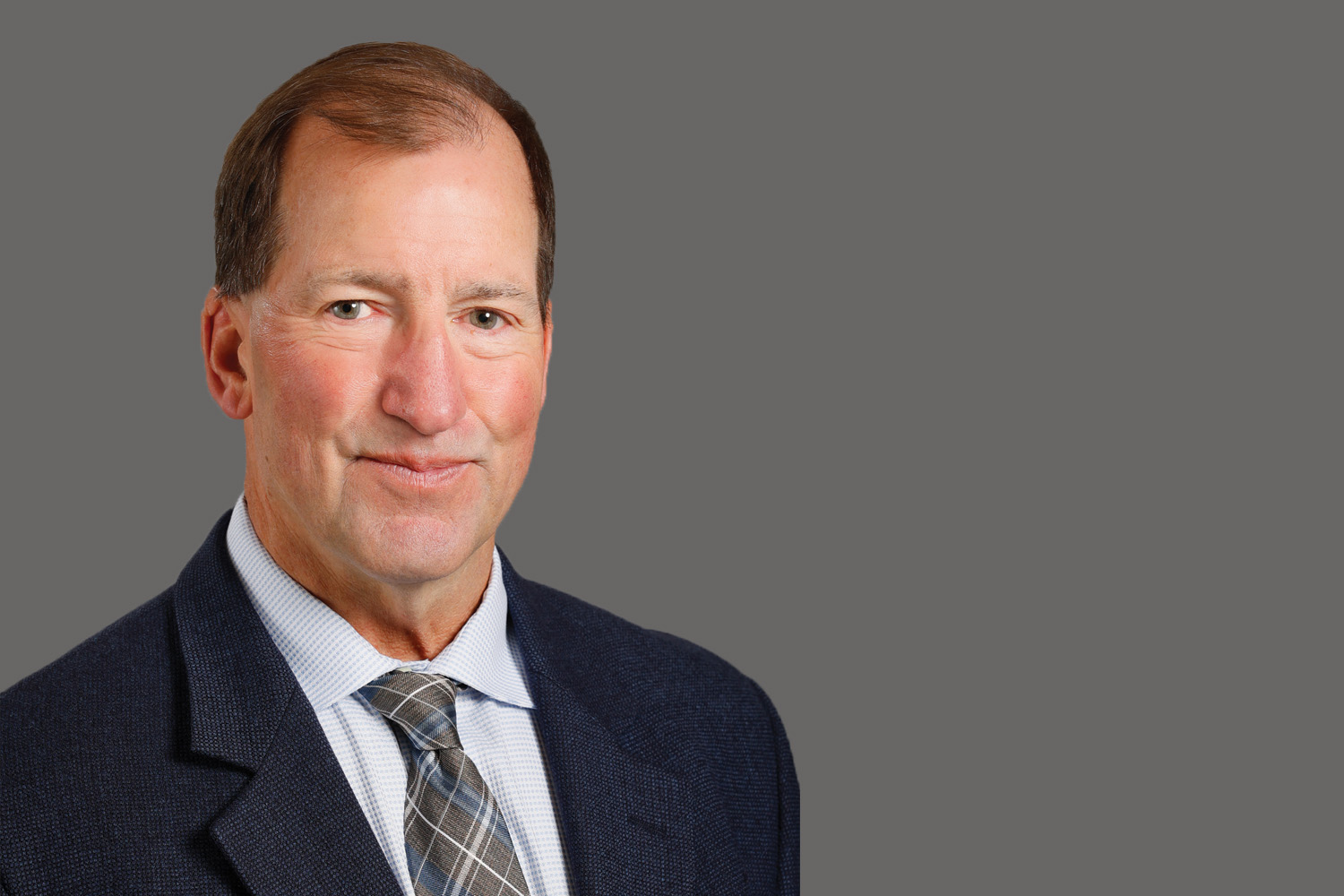
The McMillan Award is the highest honor bestowed by the American Physical Therapy Association.
BY ANDREW FAUGHT
PROFESSOR/ASSOCIATE CHAIR CHRISTOPHER POWERS PHD ’96 is the recipient of the 2026 Mary McMillan Visionary Leader Award.
The highest honor bestowed by the American Physical Therapy Association (APTA), the McMillan Visionary Leader Lecture Award is meant to recognize a physical therapist who has made “inspirational, significant and impactful contributions” to the profession.
It’s an acknowledgment of Powers’ contribution to the profession, as a leader, a researcher and an educator. As the award recipient, Powers will give a lecture in early mid-February 2026 at the APTA Combined Sections Meeting in Houston.
“I’m proud of the work I’ve done to help advance the profession of physical therapy over the last 30 years,” Powers said. “It’s been great to be part of that development.”
Finding a Solution to Knee Pain
Powers developed an interest in physical therapy as a physical education undergraduate at UC Santa Barbara.
It was later as a practicing physical therapist that Powers says he was drawn to, and often perplexed by, patients with knee conditions — particularly patellofemoral pain, an overuse injury common in runners.
“That’s when I decided to do my PhD, because at the time we didn’t know what we do now about patellofemoral pain, and it was difficult to treat,” he says. “A lot of patients didn’t get better with treatments at the time, and I was always interested in understanding why.”
Powers was among the first to show how altered hip and pelvis mechanics, such as excessive internal hip rotation or weakness in the gluteal muscles, contribute to abnormal knee loading and pain. This shifted the field from a “knee-focused” to a hip- and movement-focused approach to treating anterior knee pain. By linking biomechanical insights with rehabilitation strategies, his research has directly influenced evidence-based interventions that are now widely adopted in physical therapy practice.
In total, Powers has had nearly 225 peer-reviewed publications. His work has been cited nearly 30,000 times, highlighting his research contributions to the profession.
A Model for the Rest of Us
But it’s not just his research prowess that has earned him this distinction. In addition to his scholarly contributions, Powers has been a dedicated leader within the physical therapy profession.
He has served as president of the California chapter of the APTA and President of the Academy of Physical Therapy Research, guiding initiatives that strengthened the association’s influence and advanced the role of science in clinical practice. Currently, he serves as a trustee for the Foundation of Physical Therapy Research, where he continues to champion the profession’s scientific foundation and its capacity to improve patient care.
At USC, Powers has served as director of the biokinesiology programs (master’s and doctoral) for the past 25 years. Within the DPT program, he was instrumental in redesigning the Divison’s curriculum to emphasize the concept of movement analysis to better treat patients. This reframing of the physical therapy profession has extended beyond the classroom as he has advocated for an increased role for physical therapists to be regarded as “movement specialists.”
“Dr. Powers’ teaching style is both inspirational — he challenges students to become movement specialists — and highly organized — he gives students the tools they need to be successful,” said Professor and former Associate Dean James Gordon in his nomination letter to the APTA. “The combination of inspiration and organization is one that all good teachers aspire to. Dr. Powers is a model for the rest of us.”
“He is an excellent teacher … both in the classroom and in front of clinical audiences. He is a leader in the physical therapy professional community. And he is absolutely committed to the advancement of the profession as evidenced by his passionate advocacy for promoting physical therapists as movement specialists,” Gordon said.