


09.10.2026
By uscbknpt
Starting Therapy in the NICU May Improve Outcomes for Preterm Infants
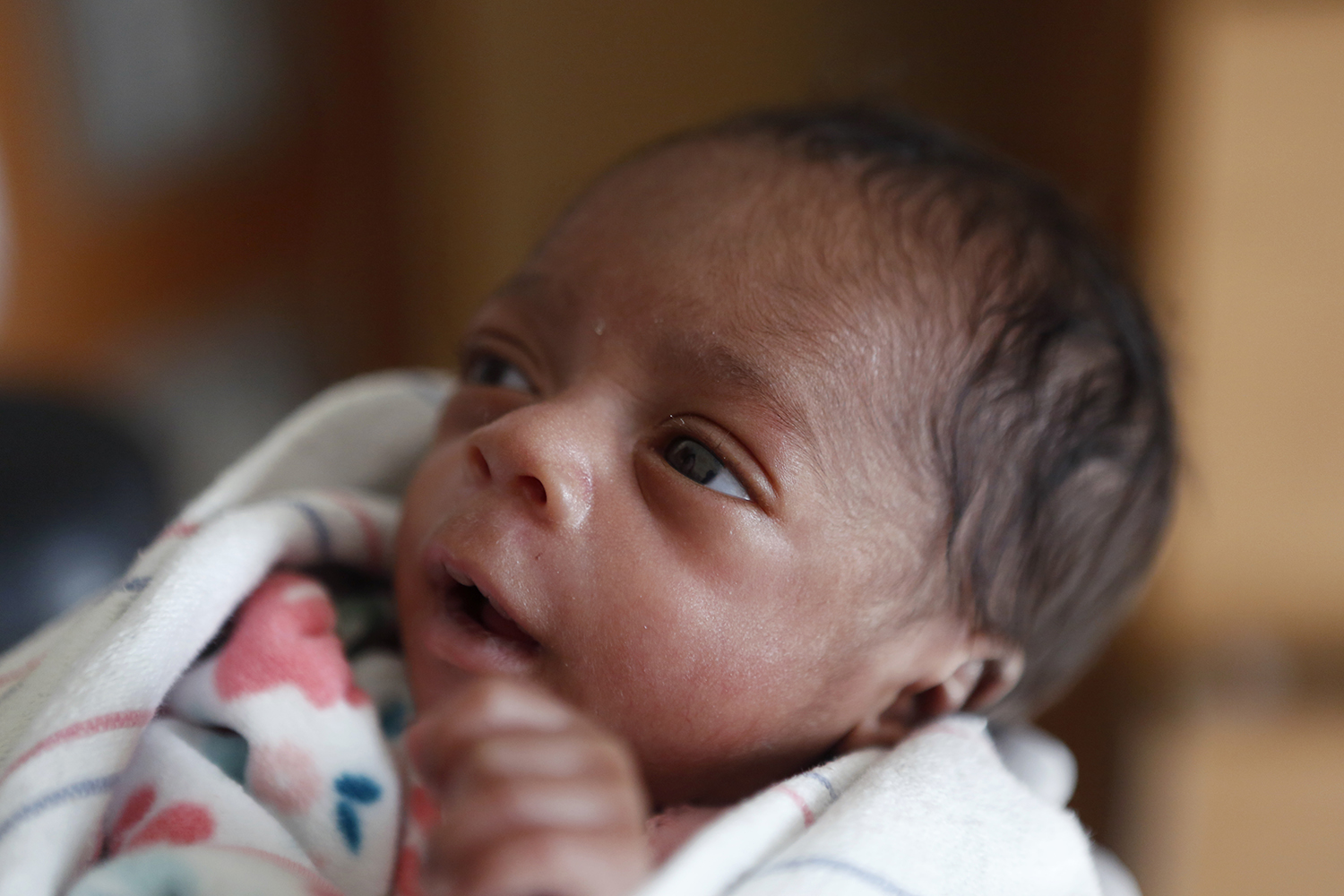
A new study by Sykes Family Chair in Pediatric Physical Therapy, Pediatric Health and Development & Professor Stacey Dusing has yielded some surprising results.
BY KATHARINE GAMMON
CHILDREN BORN VERY PREMATURELY (at or before 28 weeks) are at a greater risk of developing neonatal brain injury, motor disabilities and learning difficulties. Early intervention is the best way to help these babies develop and refine their skills — setting them on the most successful path in life. But it hasn’t been clear how early interventions like physical therapy can start — until now.
A new study shows that incorporating physical therapy while premature babies are still in the neonatal intensive care unit (NICU) may lead to better motor and cognitive development years later, according to research led by Sykes Family Chair in Pediatric Physical Therapy, Pediatric Health and Development & Professor Stacey Dusing.
Dusing recently received an NIH grant for a study that found infants who began a parent-focused intervention in the NICU — and continued it for nearly four months — had significantly stronger outcomes at age 2 than babies who began the same program nearly four months after leaving the NICU. The findings suggest that the intervention’s timing may be just as important as the intervention itself.
The work, “Does Timing Matter? A Clinic Trial of Supporting Play Exploration and Early Development Intervention (SPEEDI) for Infants Born Preterm in the First Months of Life,” was published in August in the Journal of Pediatrics.
“We found that starting early really mattered,” Dusing says. “The children who started in the NICU were different from both the later-start group and the control group.”
A kinder, gentler intervention
The intervention was designed for preterm infants, who can face elevated risks for developmental challenges. It included 10 physical therapy visits and focuses on helping parents understand their baby’s individual cues, behavior and readiness to engage.
Rather than focusing only on exercises, the first half of the program teaches parents how to recognize when their infant is calm, alert and prepared to interact. In later visits, families learn play-based activities tailored to the baby’s current abilities.
One example is tummy time, an activity commonly recommended to help infants develop strength and motor skills. Instead of placing infants directly on the floor until they become upset, Supporting Play Exploration and Early Development Intervention (SPEEDI) therapists encourage parents to begin with a more comfortable version, such as holding the baby on their chest. Parents then gradually increase the challenge as the baby becomes more successful and engaged.
“The goal is for both the parent and the baby to enjoy the activity,” Dusing said. “That means babies may practice for 20 or 30 minutes a day, rather than only a couple of minutes before they start crying.”
The research showed that the approach improved not only children’s motor and cognitive outcomes, but also the quality of parent-infant interaction. That improvement — measured as emotional availability between mothers and babies — was among the study’s strongest effects.
Improving outcomes around the world
The finding could have implications for how early-intervention services are delivered nationally. Although infants are often referred for therapy after leaving the NICU, Dusing said that less than 20 percent receive therapy before 12 months of age. In some cases, federal timelines allow up to 45 days between referral and an assessment visit, followed by up to another 45 days to start services. Those delays can be especially consequential during infancy, when babies are rapidly developing and parents are establishing routines for care and play.
Dusing noted that well-intentioned therapy recommendations can sometimes unintentionally create stress if parents are told to continue difficult activities even when a baby is distressed. Instead, the SPEEDI intervention aims to build positive, sustainable interactions that families can incorporate into everyday life.
The research team is now testing whether the same NICU-based intervention can be delivered effectively through telehealth.
The trial includes families in Los Angeles and California’s Central Valley, allowing researchers to compare approaches in urban and rural communities.
The work is also expanding internationally. A telehealth trial in Australia has enrolled more than 400 babies, with 12-month outcomes expected soon. Smaller studies in Brazil and Bhutan have also reported promising results, while helping researchers adapt the program across cultures.
For Dusing, the goal is clear: help families begin supporting their babies’ development as early as possible — and make those interactions positive from the start. “By starting early, you actually can get better outcomes on both the parent and the child level,” she says. “That’s a great thing if we can implement it in practice.”